
- Home
- Work as a Personal Assistant
Work as a Personal Assistant
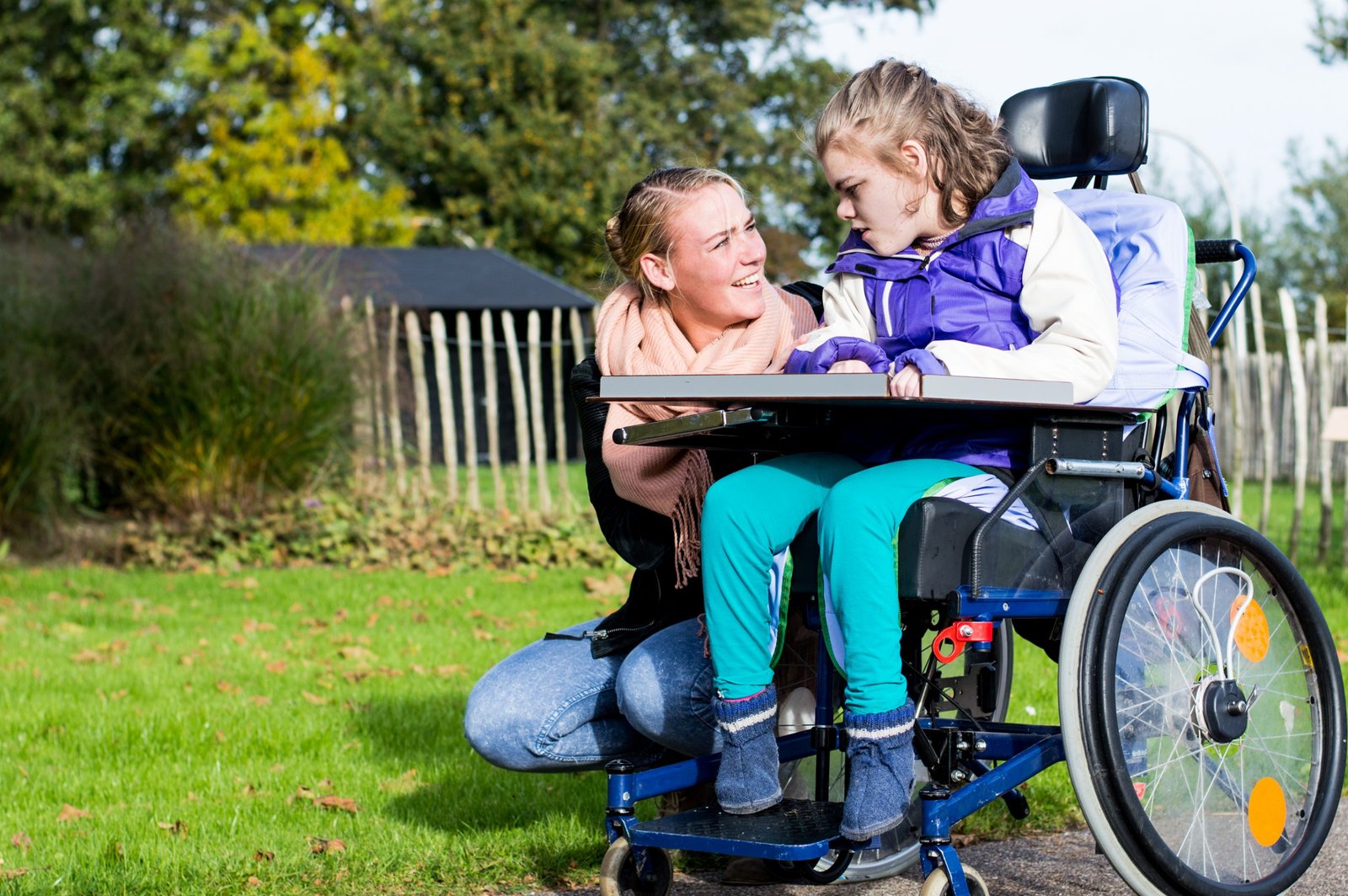
Sustainable career and meaningful work.
Work as a personal assistant
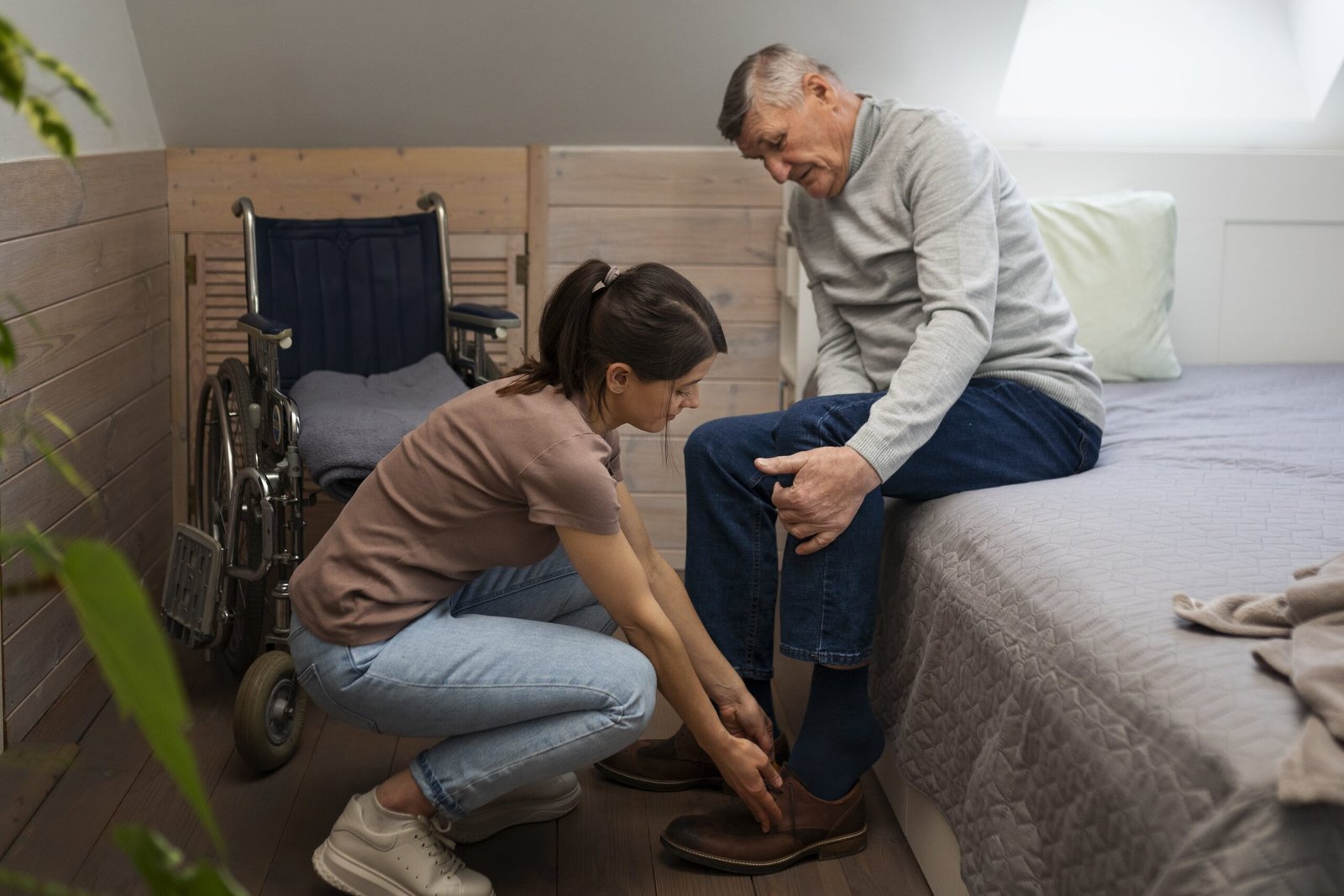
How we think about our employees

What our assistants say
My son Arjun has cerebral palsy, and it seemed impossible to find the right caregiver. This service understood his needs from day one. Their trained caregivers handle physical and behavioral challenges with great patience.
Elena Petrovska
My father suffered a stroke last year, and mobility became a challenge. The caregiver we were provided with is gentle, skilled, and very supportive. For the first time, he feels confident carrying out everyday tasks.
Marko Iliev
My brother has neuromuscular weakness, and we always struggled to find caregivers who truly understood his limitations. This company provided us with a trained, compassionate, and consistent caregiver.
Arlinda Dervishi
My daughter Rija has Down syndrome, and changes in routine can easily upset her. The caregiving team created a consistent routine and built trust from the very first visit. It was a great relief for us as parents.
Mirjeta Hodža
What I value most is professionalism. The caregivers are trained in communication, hygiene, and disability-specific care. It shows in every interaction.